

A leveler is one of the most critical components in any metal coil processing line. Whether you are operating a slitting line, a cut to length line, or a roll forming machine, the quality of your final product depends heavily on the flatness and consistency of the material entering the process. In this guide, we explain how levelers work, what types are available, and how to choose the right one for your application.
Why Leveling Matters in Coil Processing
When metal is coiled for storage and transport, it develops internal stresses and shape defects. The most common defects are coil set (curvature in the longitudinal direction), crossbow (curvature across the width), and edge wave or center buckle (longitudinal waviness). If these defects are not removed before processing, they can cause feeding problems, dimensional inaccuracies, and poor quality finished products.
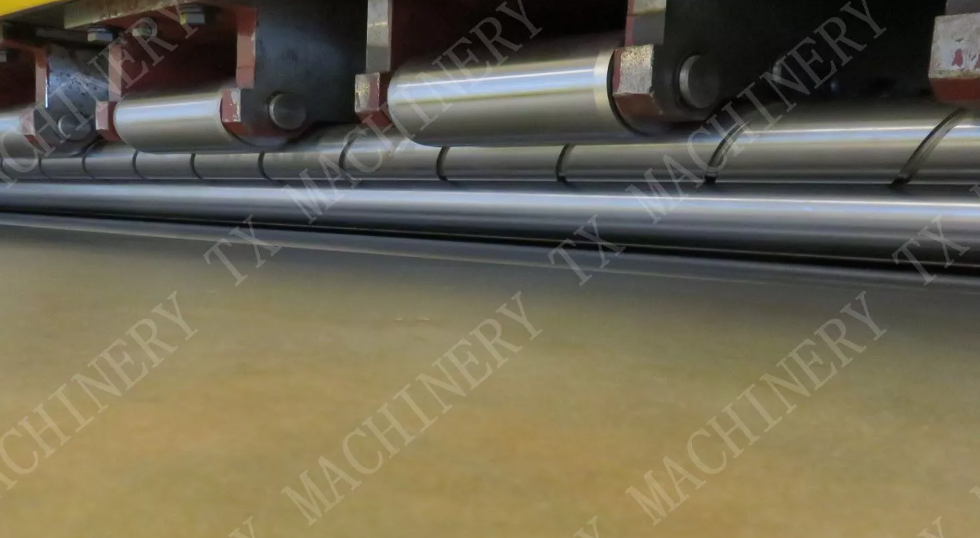
A leveler works by bending the strip repeatedly around a series of staggered work rolls, gradually reducing the curvature and redistributing internal stresses. The result is a flat, stress relieved strip that feeds consistently through downstream equipment and produces high quality finished parts.
Types of Levelers
There are several types of levelers, each suited to different material types, thickness ranges, and precision requirements.
- Backup Roller Leveler: The most common type, using a series of small diameter work rolls supported by larger backup rolls. Suitable for medium thickness material and general purpose leveling.
- Precision Leveler: Features smaller diameter work rolls with closer spacing and independent roll adjustment. Produces superior flatness for thin gauge and high strength materials.
- Tension Leveler: Combines roller leveling with applied tension to stretch the strip slightly beyond its yield point. Provides the highest level of flatness and is ideal for surface critical materials.
- Stretcher Leveler: Uses mechanical stretching rather than roller bending. Suitable for very thick or high strength materials where roller leveling alone is insufficient.
- Inline Straightener: A simpler device with fewer rolls, used for basic coil set removal in less demanding applications.
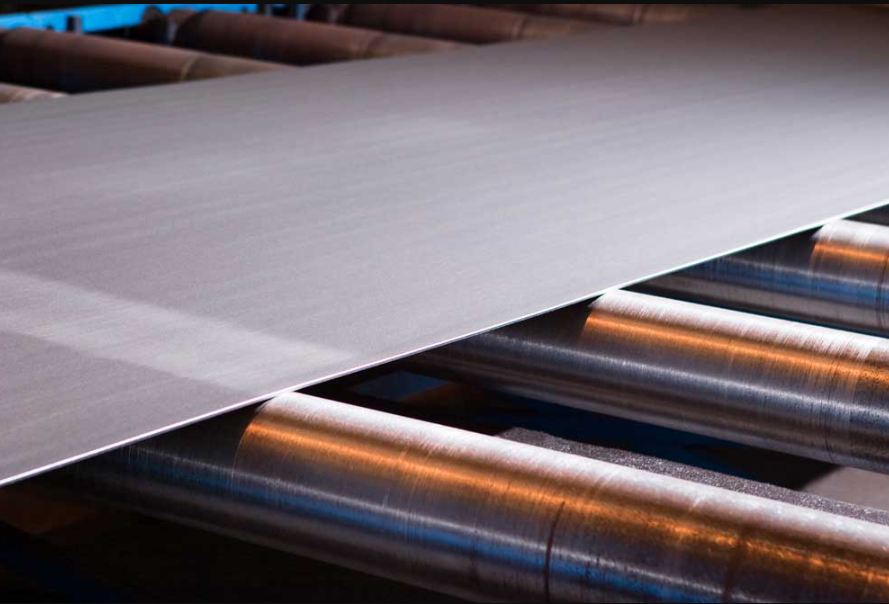
Key Specifications for Leveler Selection
Choosing the right leveler requires careful evaluation of several technical specifications. The following parameters are the most important.
| Specification | Description | Selection Tip |
|---|---|---|
| Material thickness range | Minimum and maximum strip thickness the leveler can handle | Choose a range that covers 80 percent of your production, with margin for future materials |
| Strip width | Maximum width the leveler can process | Must match or exceed your widest coil |
| Yield strength | Maximum material yield strength | Higher strength steel requires heavier frames and more roll force |
| Number of work rolls | More rolls provide better leveling | Thin and high strength material needs more rolls with smaller diameter |
| Work roll diameter | Smaller rolls penetrate surface layers better | Thin material needs smaller diameter rolls |
| Roll adjustment | Manual, motorized, or hydraulic | Hydraulic adjustment offers fastest setup and best control |
| Drive power | Motor power for the leveler rolls | Must be sufficient for thick, high strength material at line speed |
Material Considerations
Different materials require different leveling approaches. Mild steel is relatively easy to level and can be processed with standard backup roller levelers. High strength low alloy steel and advanced high strength steel require heavier levelers with more roll force and smaller work roll diameter.
stainless steel and aluminum require special attention because they are more prone to surface damage. Tension levelers are often preferred for these materials because they reduce the contact pressure between the strip and the work rolls, minimizing surface marks.
Surface critical materials, such as pre painted or coated steel, may require polyurethane coated rolls or special roll materials to prevent scratching and marking.
Leveler Integration with Your Processing Line
A leveler does not operate in isolation. It must be properly integrated with the other components of your processing line. Key integration considerations include entry and exit pinch rolls, loop control, speed matching, and tension control.
In a slitting line, the leveler is typically positioned before the slitter head to ensure flat material enters the knives. In a cut to length line, the leveler is the most critical component because sheet flatness directly determines product quality. In a roll forming line, a leveler or straightener at the entry ensures consistent feeding and accurate forming.
The leveler must also be matched to the line speed. A leveler that cannot keep up with the line speed will become a bottleneck, while an oversized leveler wastes energy and floor space.
Maintenance and Wear Considerations
Leveler rolls are subject to wear and must be maintained regularly. Work rolls should be inspected for surface damage, wear, and roundness. Backup rolls and bearings should be lubricated and checked for play. The roll gap calibration should be verified periodically to ensure consistent leveling performance.
Many modern levelers feature quick change roll cassettes that allow the entire roll set to be removed and replaced in minutes, minimizing downtime. This is especially valuable in high production environments where roll changes are frequent.
Frequently Asked Questions
- Can I add a leveler to an existing processing line? Yes, levelers can be retrofitted to most existing lines, but the installation requires careful engineering to ensure proper speed matching and tension control.
- How many rolls do I need? This depends on material thickness and desired flatness. As a general rule, thinner material requires more rolls. A typical precision leveler has 17 to 21 work rolls.
- What is the difference between a leveler and a straightener? A straightener typically has fewer rolls and removes only coil set. A leveler has more rolls, smaller roll diameter, and removes coil set, crossbow, and internal stresses.
- How often should leveler rolls be replaced? This depends on material type, tonnage, and maintenance. With proper care, work rolls can last several years. Rolls should be reground or replaced when surface wear affects flatness.
- Do I need a tension leveler? Tension levelers are recommended for surface critical materials, thin gauge high strength steel, and applications requiring the highest possible flatness. For general purpose processing, a standard roller leveler is usually sufficient.
Conclusion
Choosing the right leveler is essential for achieving consistent product quality in any metal coil processing operation. By understanding the different types of levelers, evaluating the key specifications, considering your material requirements, and planning for proper integration and maintenance, you can select a leveler that delivers reliable performance and long term value. Work closely with your equipment supplier to ensure the leveler is properly sized and configured for your specific production needs.